Every year on my birthday, I celebrate life by going on an adventure—skydiving, scuba diving, visiting a new country, or learning a new skill. Since last year, I had set my mind on entering the technical diving world. And so I did.
If you’ve been taking scuba diving seriously and have created a path to keep improving your skills but don’t want to become a Divemaster, or if you’re drawn to depth and exploring wrecks and caves, then consider the technical diving path. Here I will outline my scuba diving training progression, where to get tech certified, and what the training experience is like.
My Scuba Diving Progression Over Nine Years
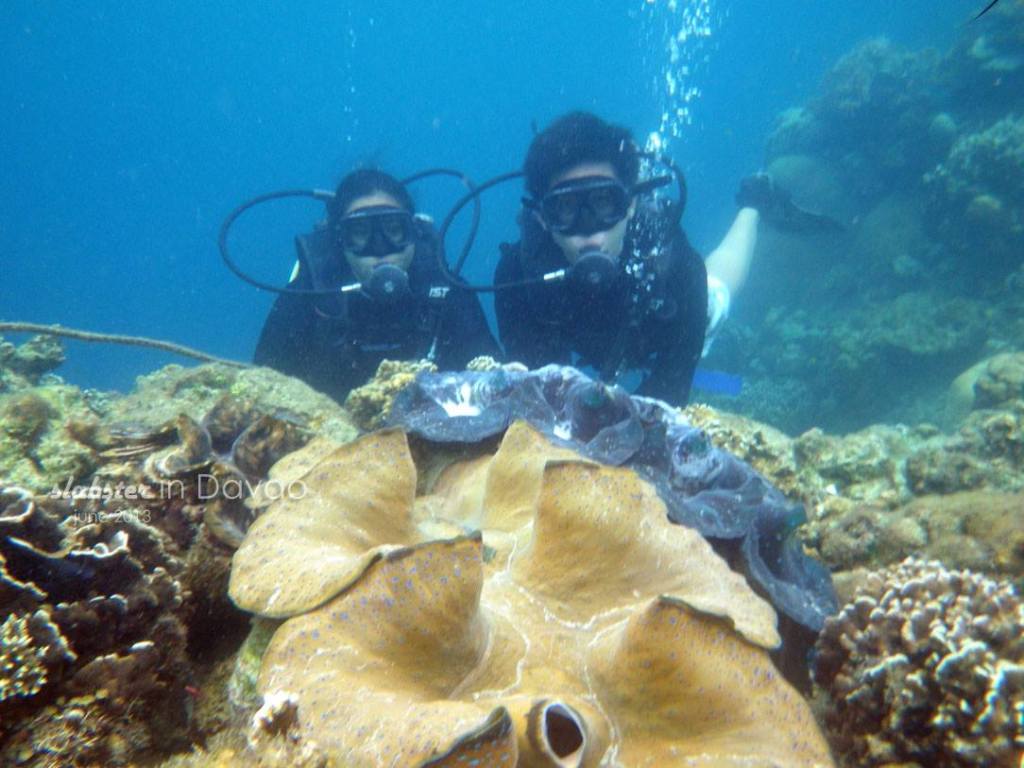
My first dive was during my birthday celebration in 2013 in Samal Island, Davao del Norte, Philippines. My travel buddy was an Open Water Diver (OWD) certified and I told him I wanted to try. It was an incredible dive site that showed me there’s a different world beyond the land. As someone who likes seeing things with my own eyes—not just through an aquarium or TV—it made me want to see more.
Since then, we would spend a day scuba diving during one of our island trips.
In 2014, I experienced the Sardine Run in Moalboal; in 2015, the Coral Garden in Siquijor. But I had only been diving as a Discover Scuba Diver (DSD) since I didn’t want to spend days of my trips on training. Finally, in 2016 during Chinese New Year, I decided to get OWD certified!
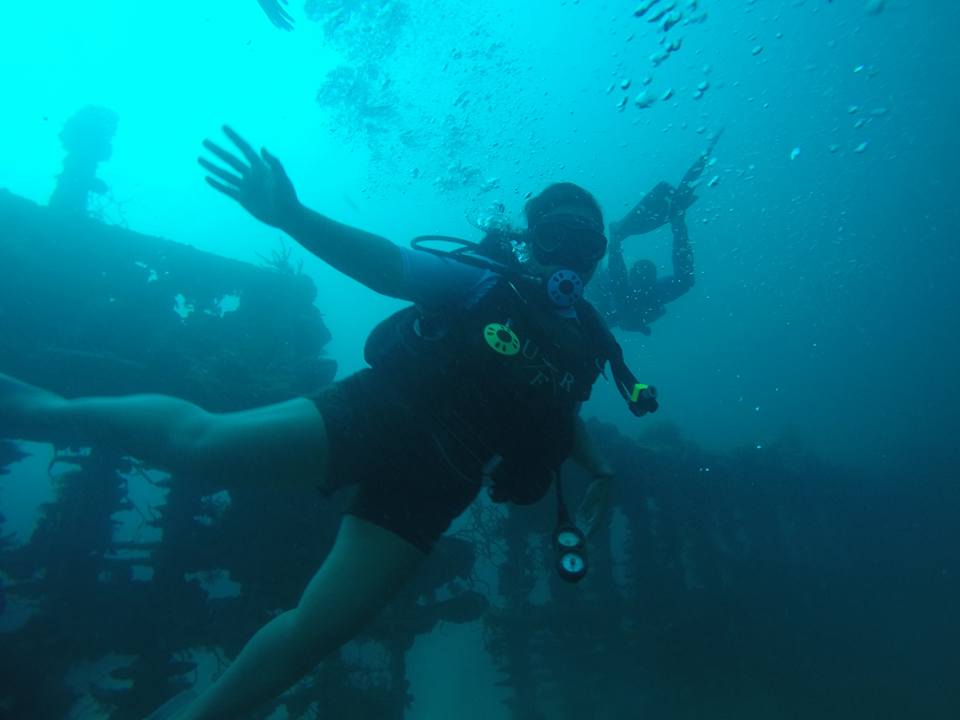
Skeleton Wreck, Coron, Palawan
My Certification Timeline
- February 2016: Open Water Diver (OWD) Certified, SSI, 41 dives
- July 2019: Advanced Open Water Diver (AOWD) + Enriched Air Nitrox (EANx) Certified, PADI, 82 dives
- July 2022: Rescue Diver + Emergency First Response Certified, PADI, 90 dives
- June 2025: Intro to Tech + Advanced Nitrox + Decompression Procedures (AN/DP), TDI
I think it was in 2017 when scuba divers in my company established an official scuba diving club. I was hesitant to join because they were mostly older men, but I decided to join anyway. I had a list of dive sites in the Philippines that I wanted to visit, and I knew the required number of dives and certifications needed to safely dive there but being part of a club made it easier to stay inspired and encouraged to learn more skills. The dive club leader was also an instructor and ran courses and certifications during summer, which allowed me to plan and make steady progress.
While the experienced divers in the club usually took the Divemaster track, I preferred exploring the depths—touching the deepest bottom of our fun dives. My deepest dive reached 41.2 meters! I knew I wanted to keep exploring the deep. On most dives, I didn’t even care if there wasn’t much to see as long as I could feel the pressure of the deep.
After a total of 213 dives, I’m on my way to diving my first 45 meters! Even so, this journey made me question whether my buoyancy skills had always been sh*t. More on that later.
Where to Get Technical Diving Courses and Certification: Tech Asia
I was diving in Anilao when I heard the dive guides discussing different scuba diving agencies—GUE, SDI, TDI. I immediately turned to Google to learn about them and messaged our club leader to ask if he had heard about these agencies. I told him what I wanted to achieve, and we discussed which agency would be best for getting the foundation right.
The answer was Technical Diving International (TDI) instead of continuing with PADI. During my dive trip to Puerto Galera, I saw dive shops displaying TDI flags and visited each one to inquire about their courses, discuss my goals, and understand how they conducted training. After discussing with our club leader, who had just finished his tech dive training, I decided to follow his path and go with Tech Asia. I chose to take Intro to Tech + Advanced Nitrox + Decompression Procedures over 6 days. However, this wouldn’t happen until after a year of preparation. For me, it was a year of mental preparation, improving my buoyancy, and gaining confidence at depth—I completed another 41.1-meter dive during this time.
Diving in Puerto Galera: Logistics Guide
Let’s cover the logistics first before diving deeper into the whole experience. (Or jump to Part 2!)
Travel from Batangas to Puerto Galera:
Drive to Batangas Port. There are two ferry schedules you can choose from:
- 8:00 AM Daily
- 10:00 AM Saturday and Sunday only
No need to pre-book tickets—as long as it’s not a holiday, just arrive at the port early. You’ll go through security check, pay the port usage fee, then drive to the marshalling area where you’ll be directed to the queue. They will also collect your payment there.
We took the 10:00 AM RORO (Roll-On/Roll-Off car ferry) but didn’t start boarding until 10:15 AM. The ferry departed at 10:50 AM and arrived at Balatero Port at 12:50 PM. We had to pay an environmental fee before leaving Balatero Port. Bring enough cash to cover all these fees.
Accommodation: Arkipelago Divers Resort
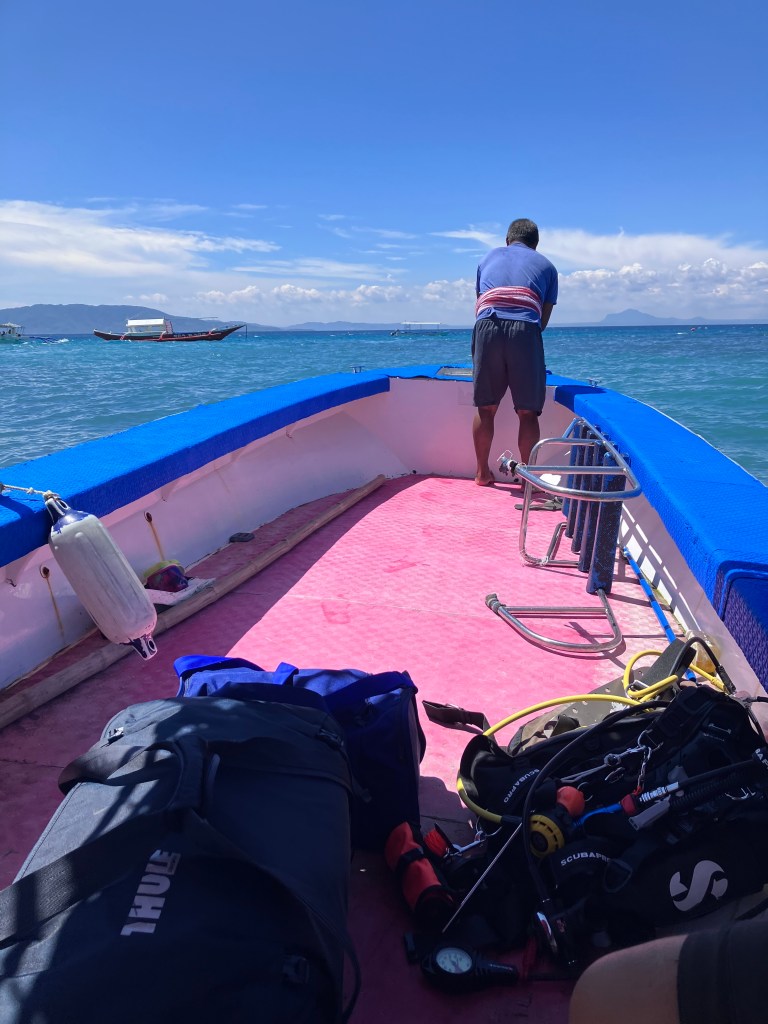
We booked our stay at Arkipelago Divers Resort. To get there, we first drove to the parking lot in La Laguna, where resort staff picked us up and brought us to the resort via speedboat.
We were warmly welcomed by the owner Amy and their staff, provided with calamansi juice for refreshments, shown to our rooms, and began our first day on the island.
Dining
Here’s a list of restaurants and places to get Filipino food, especially halo-halo!
- Nanzei Kase Bar & Restaurant
- Arkipelago Divers Resort’s Restaurant
- Sly Dogs Bar and Restaurant
- Frasch by Puerto Galera
- Tamarind Restaurant
- Pards Litson Manok
Return Trip
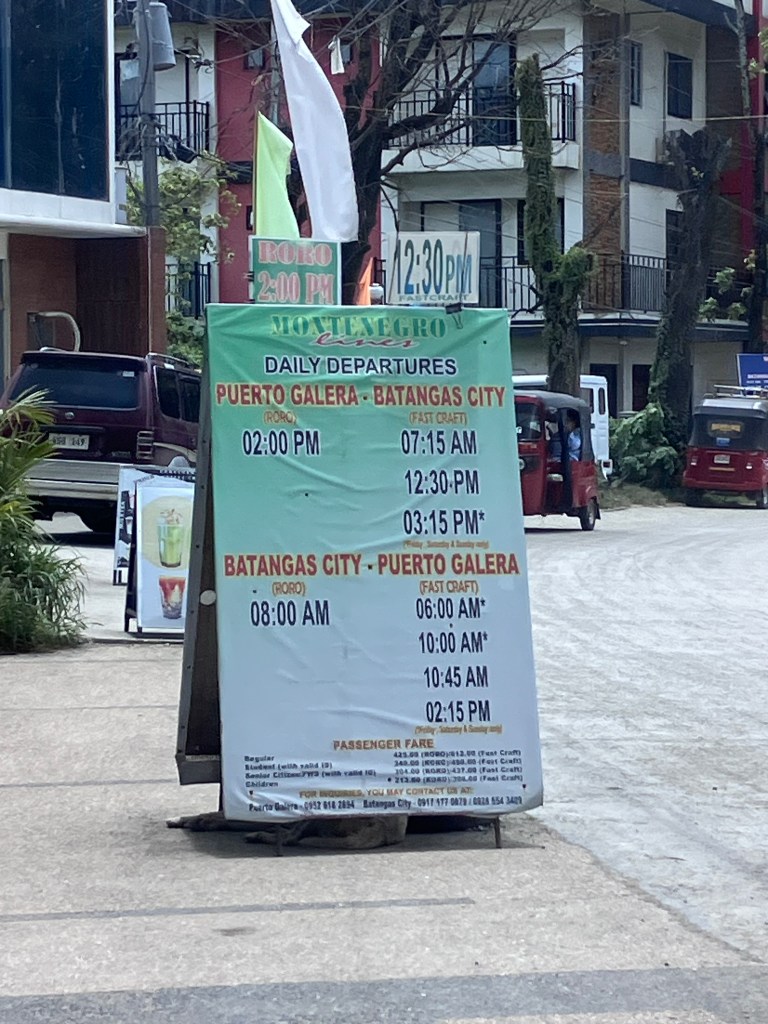
To return to Batangas Port, the staff brought us back to where our car was parked. We took the 2:00 PM RORO which departed at 2:20 PM. The return trip took less than 2 hours. Be prepared to be asked for coffee tips on the ferry multiple times.
===
That’s it for now—check out Part 2, which details my experience getting certified in technical diving! Or Part 3, where I share my experience with Garmin Descent Mk3.
🌹

Leave a comment